You haven't texted anyone in three months. Your birthday passed. No plans, no complaints.
Someone asked if you wanted to hang out and you said, "I'm busy. " But here's the twist. You weren't lying.
You were busy. Busy protecting your peace. And honestly, you've never felt lighter.
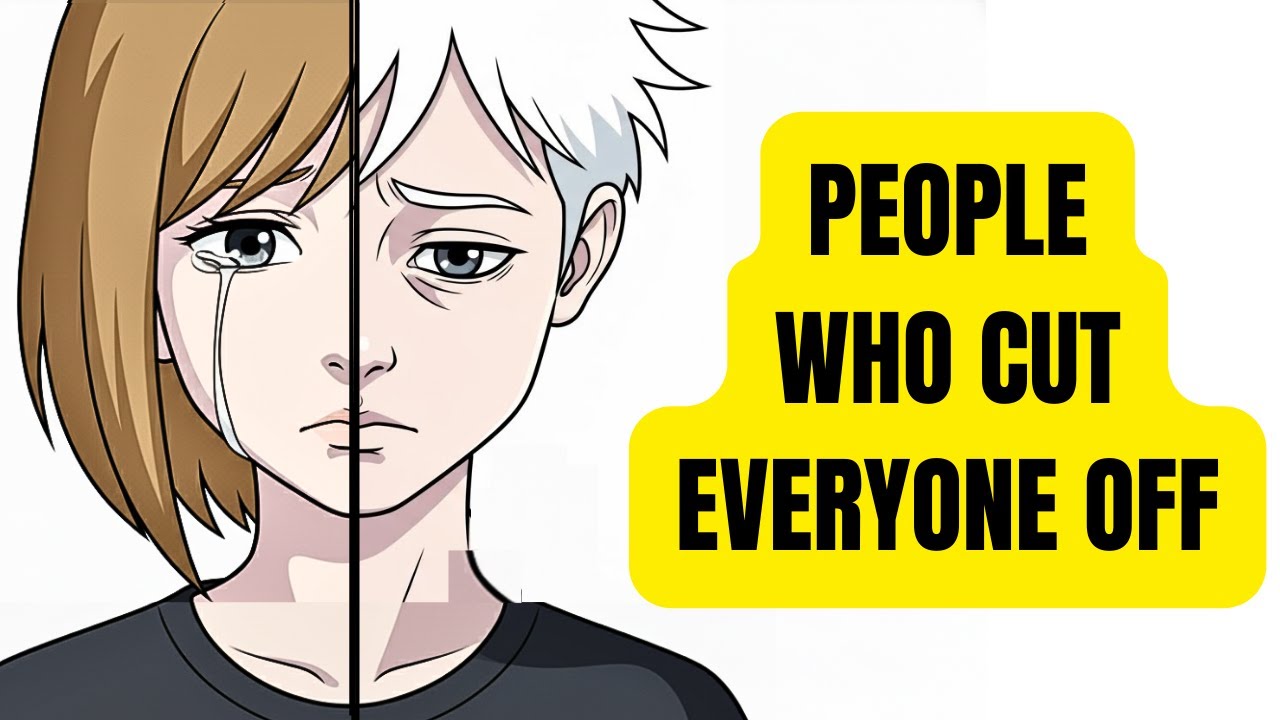
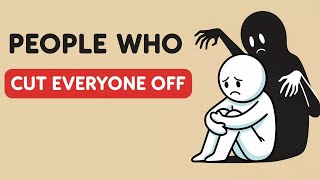
People call you cold now. The one who changed. The one who cut everyone off.
But here's what nobody's asking. What if you didn't cut people off? What if you just stopped pretending you weren't already alone?
Let's talk about the psychology of people who walk away from everyone. Because spoiler alert, it's not the villain origin story people think it is. First, let's clear something up.
You didn't wake up heartless. You woke up after years. Years of being the friend who always showed up, who drove hours for other people's crisis, who remembered birthdays like it was your job.
You were the reliable one. The glue. The person everyone called when they needed something.
Then you needed something. Crickets. Maybe one sorry to hear that text.
Maybe someone said they'd call back. They didn't. And suddenly the math stopped making sense.
Here's where your brain did something fascinating. It started running costbenefit analyses without you even realizing it. Every interaction became a spreadsheet.
How much energy does this take? what am I actually getting back? And the data devastating.
You were the one texting first, always. You were the one adjusting your schedule, cancelling plans, sacrificing your needs. And when you actually looked at how many times they did the same tumble weeds.
This is where psychology gets interesting. Your nervous system, this incredible survival machine, started recognizing a pattern every time you let someone in. Every time you showed up with your whole heart, you'd eventually end up alone with the pieces.
The friend who vanished when you got depressed, the partner who left when things got hard. Your brain learned connection equals eventual abandonment. So, you started controlling the one variable you could, the exit.
And here's the part that messes with people. Abandonment hurts less when you're the one who initiates it. People call it self- sabotage.
You call it pattern recognition. But this didn't start in adulthood. Somewhere back in childhood, you learned that people leave or people hurt.
Maybe a parent who was physically there but emotionally gone. Maybe you were the kid who learned to handle everything alone because asking for help meant hearing not now or figure it out yourself or worse, nothing at all. Maybe your feelings were inconvenient.
Don't be so sensitive. Other kids have it worse. So, you learned needing people is dangerous.
Your nervous system absorbed this lesson while it was still developing, still trying to make sense of the world. Those early experiences became your blueprint. They drew the map of what connection looks like, what you can expect when you let someone in.
Every adult relationship that followed just confirmed it. Eventually, you'll be alone. Eventually, the love runs out.
Your nervous system wired itself around this truth. Not because you're broken, because you're learning. Now, here's where it gets wild.
People say you've built walls, but you didn't build walls. You built boundaries. There's a difference.
Walls keep everyone out. Boundaries keep the wrong people out. The problem, after enough years of only the wrong people showing up, those boundaries start looking like walls.
And maybe that's okay. And this matters. This phase isn't about rejecting connection forever.
It's about refusing indiscriminate access. You didn't stop wanting people. You stopped accepting anyone who felt familiar but unsafe.
You became a detective of abandonment patterns. You can spot them now within the first few conversations. The friend who only texts when they need something.
You see it in how they never ask how you're doing. The person who's present when life is good, but ghosts when it gets hard. You know, the exit signs, responses getting shorter, let's hang out soon, becoming code for never.
The friend who will definitely call when things calm down, but things never calm down. You've developed what psychologists call hypervigilance, but not the kind that makes you paranoid, the kind that makes you accurate. You're reading micro patterns others miss.
The subtle shift in tone. The convenient excuses that always favor them. The way effort only flows one direction.
Your pattern recognition isn't pessimism. It's data collection. And the data keeps proving you right.
You've become fluent in the language of emotional unavailability. Able to translate every I've been so busy into its real meaning. Every promise becomes predictable.
Every we should catch up dies exactly when you expect it to. You've watched this pattern repeat with enough people that you stopped being surprised. Now you just cut it short.
Not dramatically, quietly. Stop initiating. Stop trying.
See if they notice. They rarely do. And that that tells you everything.
The loneliest you ever felt wasn't when you cut everyone off. It was before. sitting in a room full of friends, feeling invisible, being in a relationship and still feeling fundamentally alone.
The physical isolation didn't create the loneliness. It just stopped pretending the loneliness wasn't already there. Here's what surprises people.
It doesn't hurt like you thought it would. The solo holidays, the birthday with no texts, the emergency you handle yourself because there's no one to call. You expected devastation.
Instead, you got quiet. and quiet became your favorite sound. People don't understand why you choose isolation over connection.
They don't see that for you, isolation isn't the opposite of connection. It's the absence of rejection. It's the one space where you can't be abandoned because there's no one close enough to leave.
You're not cold. You're clear. You're not closed off.
You're protected. This isn't giving up on connection forever. It's refusing to accept the broken version of it that's been offered over and over.
It's saying, "If this is what relationships are, constant one-sidedness, endless performing, waiting for people who never show up, then I'd rather have none. " And here's what nobody tells you about choosing yourself. It's not selfish.
It's survival. It's recognizing that you can't keep pouring from an empty cup into people who treat you like a convenience store. open when they need you, forgotten when they don't.
And you know what's wild? You're not the villain in their stories. No matter what they say when you're not there to defend yourself, you're just someone who finally stopped waiting for people to show up and started showing up for yourself.
Maybe one day you'll try again. Maybe you'll meet someone who makes connection feel safe instead of terrifying. Maybe you'll find people who show up without you having to beg them to see you.
Maybe. But right now, you're protecting the part of yourself that still remembers what it felt like to hope. You're keeping that small flame alive by refusing to let anyone blow it out again.
Because cutting everyone off isn't the absence of love. It's the presence of self-preservation. It's your nervous system finally saying enough.
You're not cold. You're surviving. You're not giving up.
You're finally putting yourself first. And honestly, the walls you built, they're not keeping you trapped. They're keeping you alive.
They're giving you space to heal, to become someone who might one day be ready to try again, but only on terms that honor who you are. You're here in the quiet, in the space you cleared by cutting away everything that was slowly killing you. It's not the ending people wanted for you.
It's the one that's keeping you whole. If this resonated, click the next video and subscribe.