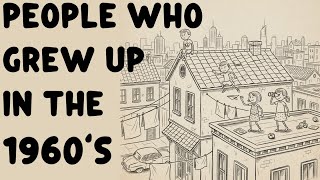
If your first instinct when something breaks is to fix it yourself, you remember when MTV actually played music and you can parallel park without a backup camera, congratulations. You're wired differently from almost everyone else. Let me take you back.
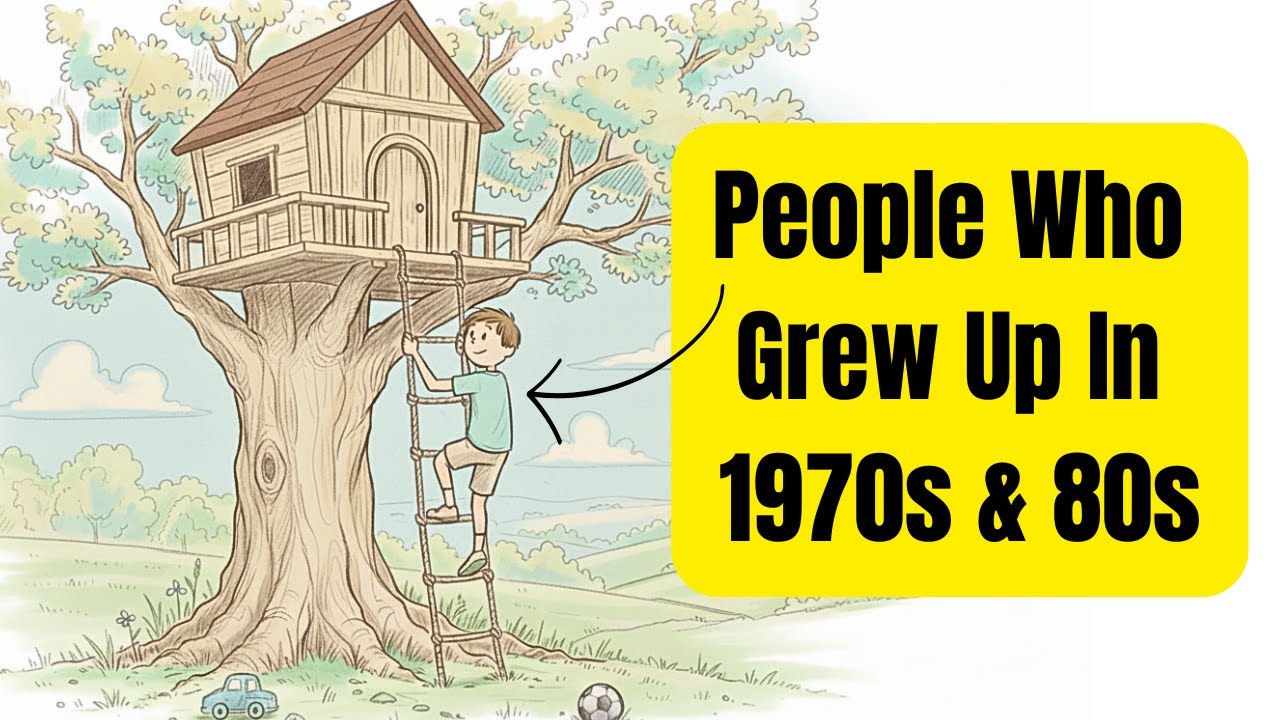
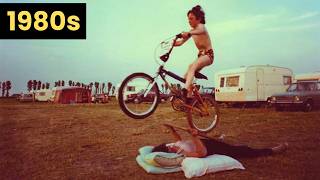
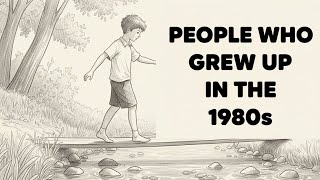
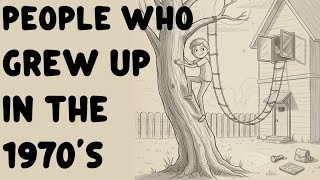
If you grew up in the 70s or 80s, you live through something that would probably be considered neglect today. Every summer morning, your parents sent you outside with one instruction. Be home before dark.
No cell phone, no way to reach you. You just disappeared into the neighborhood for hours. And here's what that did to your brain.
It built genuine independence. You got lost. You found your way.
You got bored. You created something. You had a problem.
You solved it. Nobody was helicopter parenting you through life. But there's more.
Most of us had parents who lived through World War II or grew up right after it. They weren't people who talked about feelings. They were people who survived hardship without complaining.
They didn't give pep talks. They gave responsibility. By age 10, you are basically a small adult watching siblings, making meals, fixing your bike chain with whatever tools you could find.
You learned early that life doesn't pause because you're not ready. Now, here's the part younger generations won't understand. Boredom actually shaped you.
You sat with nothing to do. No phone, no streaming, just empty time. And that forced imagination.
You built worlds out of sticks and cardboard. That boredom made you resourceful in a way tutorials never will. In failure, that was just part of the day.
You fell off your bike, you got back on. You got rejected, you moved on. There were no participation trophies.
You learned that effort mattered more than comfort. And that shaped how you handle adversity even now. This is why you have that calm people notice.
The ability to stay steady when everything's falling apart. It's not magic. It's muscle memory.
You've been through worse without googling the answer. But here's what makes your generation truly unique. You're the bridge between two completely different worlds.
You grew up with rotary phones in handwritten letters, but adapted to smartphones and the internet. You remember life without technology, yet you're not afraid of it. You exist comfortably in both the analog past and the digital present.
And that gives you something rare, perspective. You know what life looks like without constant connectivity. You remember conversations that didn't involve checking your phone.
You know the value of patience because you lived in a world that forced you to wait. That's not nostalgia. That's wisdom.
So the next time someone asks how you stay so calm under pressure, you can tell them the truth. Your childhood wasn't easier. It was just honest.
Life didn't come with training wheels, and that made all the difference. Does this match your experience? Drp your story in the comments.
And if this took you back, subscribe. And if you want your current daily habits explained, simply click one of these. I'll see you there.