important takeaways from how to trade in stocks by Jesse Livermore what to do and not to do when trading written by the most successful trader who ever lived Jesse Livermore the book how to trade in stocks is a timeless compilation a practical trading advice market analysis money management systems and emotional control guidance in this video we have gathered the most important takeaways from the book presented in the author's own words please subscribe to our channel and like this video if you find it useful we thank you kindly we will also leave a link in the
description below where you can listen to the audio version of the book for free successful traders always follow the line of least resistance follow the trend the trend is your friend always track to stocks in the same group they always move together and confirm the movement of each other that way you have absolute confirmation about the trend never buy a stock under Klein's never shorten a stock on rallies just because a stock has fallen in price does not mean it won't go lower don't anticipate market moves with your hard-earned cash wait for the market to
confirm your judgement don't look for the top and bottom understanding industry group is essential to successful trading examine the market the industry group the sister stocks and the actual stock in one glance go with the market leader the most powerful stock in the group don't look for the bargain the weaker sister don't have an interest in too many stocks at once it's much easier to watch a few than many follow the leaders on the market establish a profit target risk reward ratio before you enter a trade decide in the potential the trade versus the size
of the investment if it's a large investment with a small potential return then pass if you want to buy 500 shares of stock start by buying 100 shares then if the market advances buy another 100 shares as a probe to see if your judgment is correct and so on but each succeeding purchase must be made a higher price than the previous one avoid averaging down set a firm stop before making a trade and never sustain loss more than 10% of invested capital take your loss quickly and get out if you lose more than 10% on
the trade have two stops in mind when you enter a trade a price stop and a time stop don't stay with any trade more than a few points against you or more than a few days if the stock does not perform as expected a change in volume is an alert signal it almost always means there is something afoot a change a difference don't chase a stock if it gets away from you let it go I would rather wait and pay more after the stock has regrouped and I receive confirmation that the stock will most likely
continue its move there is a never-ending stream of opportunity in the stock market and if you miss a good opportunity wait a little while be patient and another one will come along don't reach for a trade all conditions for a good trade must be on your side market direction group direction sister stock direction and the timing must be in place remember you don't have to be in the market all the time it's not the thinking that makes money it's the sitting and waiting that makes money patience patience patience wait for the right moment and have
the cash ready don't try to figure out why something is happening let the market give you the clues the movement of the stock is empirical evidence the reasons will be revealed later when the chance to make money is gone the market always precedes economic news it does not react to economic news the market lives and operates in future time it is therefore foolish to try to anticipate the movement of the market based on current economic news and current events the market has already factored in those events acquire a fundamental knowledge of economics and thoroughly familiarize
yourself with conditions of each sort the financial position of a company its past history production capabilities the state of the industry in which the company is engaged the overall economic situation all tips are dangerous take no tips when the marching call reaches you close your account never meet a margin call you're on the wrong side of the market why send good money after bad don't lose money don't lose your stake don't you lose your line a speculator without cash is like a store owner without inventory cash is your inventory your lifeline your best friend without
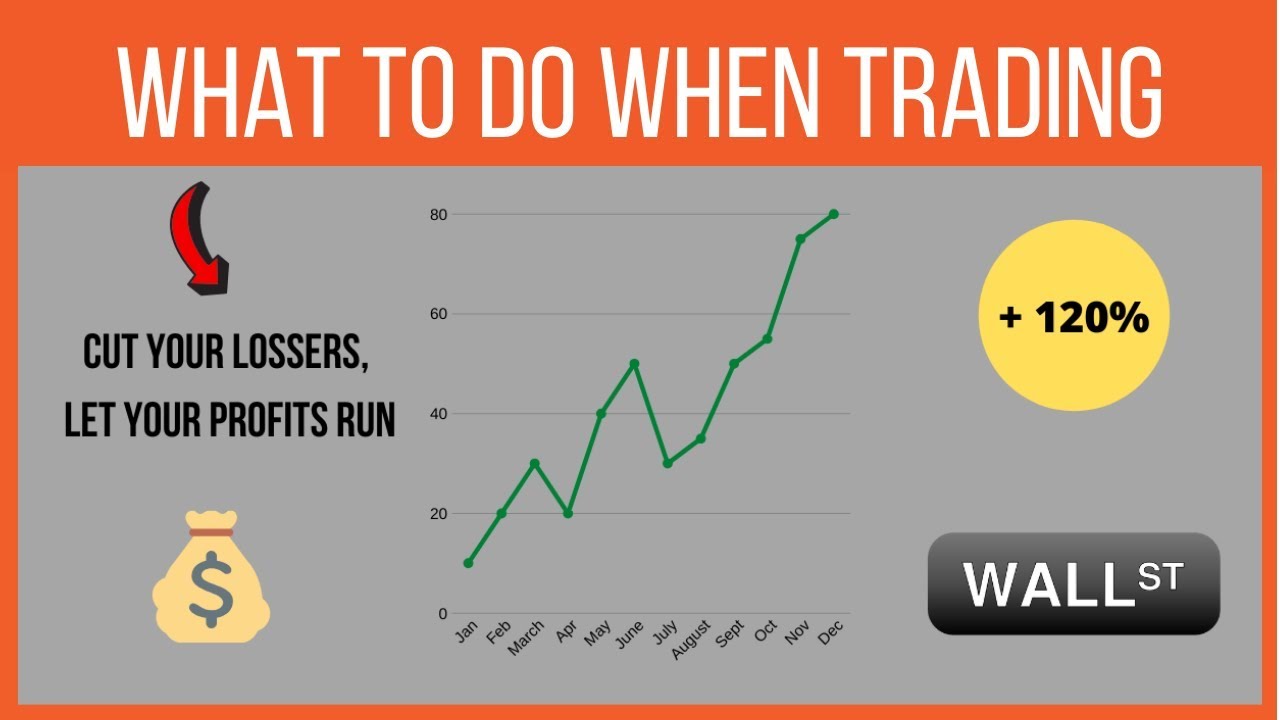
it you are out of business cut your losses let your profits run as long as the stock market is acting right do not be in a hurry to take a profit if there is nothing basically negative let it ride half the courage of your convictions stay with it it's the markets money if you lose all this profit well then you have lost money you never had in the first place always have a method of speculating a plan of attack and always stick to your plan do not constantly change it find a method that works emotionally
and intellectually for you and stick with it have your own customized rules once a trade has been entered the trader must assume the status of anonyme a robot and he must follow his rules always be aware of your emotions don't get too confident over your wins or too despondent over your losses you must achieve poise a balance in your actions cultivate poise patience and silence poise handle hopes and fears in a calmer manner silence keep your victories and failures to yourself greed fear and hope distort reason and cloud facts the stock market only deals in
facts thank you for watching and if you find this video helpful please share it with us in the comment section below we appreciate your feedback tell us in the comments what is your favorite book can't get enough of reading find us on facebook at facebook.com slash read and grow one and also on twitter at twitter.com/randymckown thanks